
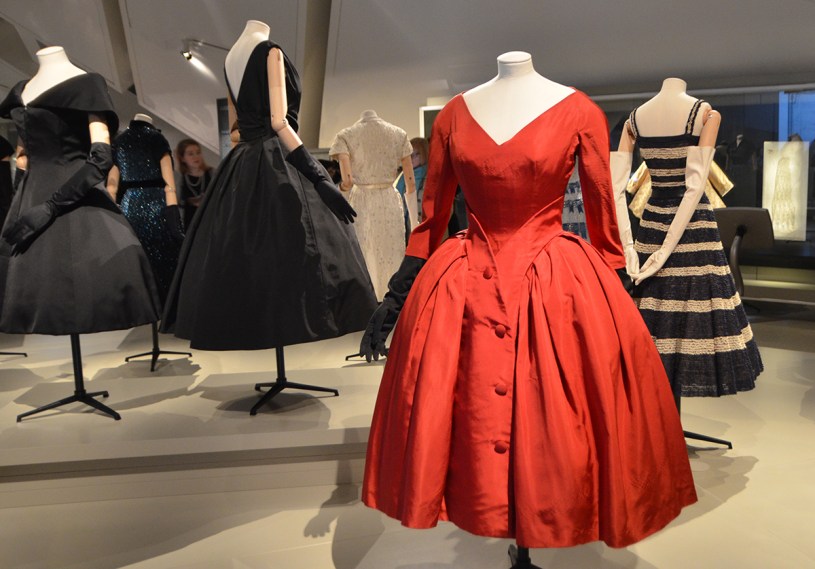
DESTREE is a haute couture fashion house known for its avant-garde, sculptural designs that blur the lines between fashion and art. The house was founded in 1950 by French designer Yolande Destree, who pioneered a new, artistic approach to fashion.
Destree grew up surrounded by art and creativity in Paris during the post-war years. After apprenticing under renowned designers such as Cristóbal Balenciaga, she decided to launch her own fashion house at the age of 25. Defying tradition and convention, Destree envisioned fashion as a means of creative expression on par with sculpture or painting. Her runway shows became performance art spectacles, featuring models posed like living sculptures.
From its inception, DESTREE has pushed boundaries and redefined perceptions of what clothing could be. Destree’s innovative designs brought couture into the modern art scene, cementing her legacy as one of history’s most influential fashion designers.
DESTREE’s Unique Approach to Fashion
There has never been a fashion house quite like DESTREE Paris. Founded in 1982 by Emma Destrée, DESTREE broke the mold for what clothing design could be. Rather than creating simple garments, Destrée approached fashion as an avant-garde sculptural artform. Her innovative collections fused haute couture with avant-garde shapes, structures, and materials to create wearable works of art.
Destrée was deeply inspired by both the futurism and constructivism art movements. This influenced her conceptual approach of using geometric shapes, clean lines, and experimental textiles within her designs. She aimed to create a new ideal of beauty through fashion that went beyond trends. Her sculpturesque garments were designed to re-shape the natural form and perceptions of the human body.
Every DESTREE piece integrated conceptual art and sculptural elements. For example, voluminous shapes exaggerated the hips and shoulders, while intricate boning structures cinched the waist into extreme proportions. Futuristic visors, structured masks, and angular platforms were incorporated as wearable art installations. DESTREE garments were not simply clothes, but experiential adornments designed to push boundaries and elicit reactions.
Destrée referred to her collections as “a fusion of dynamic art and functional fashion.” This innovative union of sculpture and clothing positioned DESTREE as a pioneering force in the runway world. The house defied fashion norms to propel design into a new avant-garde era.
Notable DESTREE collections
The house of DESTREE has released many iconic and influential collections over the decades. Two of their most famous include:
The 1965 “Sculpture” collection featured dresses and gowns with exaggerated shapes that resembled abstract sculptures. The stiff fabrics and structural shapes gave the clothes a very avant-garde, futuristic look. DESTREE collaborated with sculptor Jean Dubuffet on the designs. The unusual silhouettes made a huge splash in the fashion world and influenced designers for years to come.
In 1975, DESTREE released their Nature collection, which was inspired by plants, stones, shells, and other natural elements. The dresses featured bold prints of leaves, flowers, feathers, and butterfly wings arranged in striking patterns. Many gowns had layers of sheer fabric resembling insect wings or petals. Some dresses incorporated real shells, leaves, or dried flowers into the designs. The natural motifs and eco-friendly approach were groundbreaking at the time.
Both collections demonstrated DESTREE’s talents for blending sculptural shapes, innovative textiles, and artistic influences into wearable high fashion. They were instrumental in establishing DESTREE’s reputation for boundary-pushing creativity.
Collaborations with artists
DESTREE’s innovative fashion designs have attracted the attention of acclaimed artists who have collaborated with the house. These artistic partnerships have resulted in groundbreaking collections that fuse high fashion with contemporary art.
One notable collaboration was with the sculptor Anish Kapoor in 2018. Kapoor brought his signature curved shapes and reflective materials to DESTREE’s runway. The collection featured sensual dresses and asymmetric coats in shimmering fabrics that mimicked Kapoor’s famous Cloud Gate sculpture. Kapoor’s abstract aesthetic introduced a futuristic edge to DESTREE’s romantic French style.
In 2016, DESTREE collaborated with the urban artist Invader to produce a streetwear-inspired line. Invader incorporated his pixelated mosaic style into bold graffiti prints. The line reinterpreted DESTREE’s elegant silhouettes with an urban graffiti edge, bringing high fashion to the streets. The collaboration expanded DESTREE’s reach to new demographics.
The house also partnered with the photographer Henri Cartier-Bresson in 2010. His black and white photographic portraits were transformed into graphic prints to adorn draped dresses and flared skirts. Cartier-Bresson brought a gritty, documentary aesthetic that gave depth to DESTREE’s whimsical creations.
By joining forces with leading artists, DESTREE has reimagined fashion as an interdisciplinary artform. These collaborations have allowed the house to push boundaries and remain at the avant-garde of both fashion and art. DESTREE’s openness to artistic partnerships has been key to its lasting cultural relevance.
Innovative Materials
DESTREE Paris has always embraced innovative and unusual materials in their collections. The fashion house views their choice of fabrics, textures, and other materials as an integral part of their creative and sculptural vision.
Some examples of the innovative materials DESTREE has used over the years include:
– Metal mesh – Used in their iconic 2006 collection, metal mesh added structure and an almost armor-like quality to the designs. The mesh perfectly aligned with the collection’s futuristic inspiration.
– Sculptural wools – For Fall/Winter 2021, DESTREE utilized sculptural, oversized wools to create voluminous shapes and silhouettes. The wools provided warmth while allowing the designs to hold their sculptural form.
– Plexiglass – Seen in accessories like bags and shoes, plexiglass adds a transparent, space-age feel. The material also enables color play and light effects as part of the overall design.
– Recycled fabrics – As part of DESTREE’s eco-conscious initiatives, they have increasingly incorporated recycled and upcycled fabrics, giving new life to waste materials.
The fashion house chooses these innovative textiles to push boundaries in fashion. The unconventional materials align with DESTREE’s avant-garde aesthetic and enable them to achieve sculptural silhouettes with added depth and dimension. The materials fuse fashion and art in groundbreaking ways each season.
Critiques and reviews
DESTREE’s innovative fusion of fashion and sculpture has garnered both praise and criticism over the years. On the positive side, DESTREE has been lauded for its daring originality and avant-garde aesthetics. The sculptural shapes and unconventional materials have made DESTREE a highlight of Paris Fashion Week, impressing critics with audacious designs that push the boundaries of fashion. Leading fashion publications like Vogue and Harper’s Bazaar have featured DESTREE collections, applauding the conceptual artistry.
However, some critics have argued DESTREE’s sculptural pieces are not commercially viable or wearable, prioritizing abstract art over practicality. Others contend the designs are too avant-garde and inaccessible for everyday consumers. The emphasis on sculpture has led some to critique DESTREE as blurring the line between fashion and art. There are also complaints about the high pricing of DESTREE’s handcrafted pieces, which limit the brand’s mass market appeal.
Overall, DESTREE occupies an elevated, prestigious place in the fashion industry as a beacon of innovation and creativity, even if the designs are geared more toward artistic experimentation rather than mainstream commercial success. The brand has undoubtedly made a cultural impact by merging fashion with sculpture and challenging norms. But the radical designs simultaneously inspire both critical acclaim and criticism for being on the vanguard rather than focusing on versatility and wearability. DESTREE will likely remain a polarizing yet influential force in fashion defined by its daring and unorthodox ethos.
Celebrity connections
DESTREE’s innovative designs have attracted many celebrity fans over the years. The brand’s sculptural pieces make bold statements on the red carpet, allowing stars to stand out from the crowd.
Some of the most famous celebrities spotted in DESTREE include Beyoncé, Lady Gaga, Rihanna, Cardi B, and Zendaya. These musicians are drawn to the avant-garde silhouettes and blend of structure and fluidity found in DESTREE gowns and dresses. At high-profile events like the Met Gala, DESTREE creations often end up on best dressed lists.
DESTREE has also dressed leading actresses hitting the red carpet. Stars like Cate Blanchett, Emma Stone, and Jennifer Lawrence have rocked custom DESTREE designs at movie premieres and awards shows. Lawrence famously wore a structural DESTREE gown when she won the Academy Award for Best Actress in 2013.
On the red carpet, DESTREE allows celebrities to embody artful fashion fantasies. The innovative construction and calculated draping results in showstopping, sculptural silhouettes unlike anything else in Hollywood. DESTREE’s fusion of fashion and art has cemented the brand as a celebrity favorite.
Cultural influence
DESTREE’s innovative designs and sculptural silhouettes have made the brand a cultural touchstone in the world of avant-garde fashion. The striking, otherworldly garments have been featured in exhibitions at top art museums like the Metropolitan Museum of Art and the Guggenheim, bringing haute couture into fine art contexts.
DESTREE’s boundary-pushing collections have also inspired a generation of fashion designers to experiment with volume, structure, and non-traditional materials. The brand’s futuristic vision has been highly influential, shaping the aesthetics of fashion editorials, music videos, and red carpet events. Celebrities like Björk, Lady Gaga, and Janelle Monáe have donned DESTREE’s designs as wearable art, creating iconic pop culture moments.
By merging fashion and sculpture, DESTREE has cemented its place as a pioneering force that challenges perceptions of what clothing can be. The brand’s cultural relevance continues today through mentions in lyrics, films, magazines, and runways shows that reference and pay homage to DESTREE’s otherworldly aesthetic. With its daring designs, DESTREE has ensured that avant-garde fashion maintains a presence in the public imagination.
Recent developments
DESTREE Paris continues to push the boundaries of fashion and art. At Paris Fashion Week 2022, DESTREE unveiled their latest collection which featured sculptural silhouettes and avant-garde materials.
One standout look was a floor-length gown made of laser-cut Plexiglas that gave the illusion the model was encased in an angular crystal. The collection also incorporated innovative textiles like metallic foil, holographic leather, and 3D printed lace.
Critics praised the modern, futuristic aesthetic of the new designs. British Vogue called it DESTREE’s “most imaginative showing yet.”
Looking ahead, 2023 marks DESTREE’s 20th anniversary. To celebrate, they are planning a major retrospective exhibit at the Musée des Arts Décoratifs in Paris. The exhibit will include highlights from past DESTREE collections as well as newly created pieces.
There are also rumors of an upcoming collaboration between DESTREE and an as-yet-unannounced contemporary artist. If history is any indication, this partnership will result in groundbreaking creations that fuse fashion and art in extraordinary ways. DESTREE continues to redefine what is possible in fashion through their daring vision.
DESTREE’s legacy in fashion
DESTREE’s innovative avant-garde designs have secured the brand an enduring legacy within the history of fashion. Known for its conceptual, sculptural garments, DESTREE challenged conventional notions of clothing and blurred the line between fashion and art.
DESTREE was one of the pioneers of using unconventional materials in fashion during the 1960s and 70s. Under designer Elsa Schiaparelli, the brand crafted gowns and accessories using metals, plastic, wood, and other industrial materials, paving the way for future avant-garde designers. DESTREE’s sculptural silhouettes also presaged the deconstructionist fashion movement of the 80s.
By collaborating with contemporary artists like Salvador Dali, Jean Cocteau, and Man Ray, DESTREE established fashion as a valid artistic medium for creative expression. These bold surrealist creations became symbolic of the innovative spirit of the time. DESTREE’s audacious designs were also worn by style icons like Wallis Simpson and Mae West, further cementing the brand’s cultural significance.
DESTREE’s avant-garde ethos and sculptural silhouettes went on to influence other visionary designers such as Alexander McQueen and Rei Kawakubo of Comme des Garçons. By pushing the boundaries of fashion and asserting its value as an art form, DESTREE left behind an enduring artistic legacy that continues to shape modern fashion. Though no longer operating, the brand remains an iconic hallmark of 20th century style and a testament to the power of fashion to shock, provoke and inspire through artistic design.
 Entertainment Me Video